
Cassava
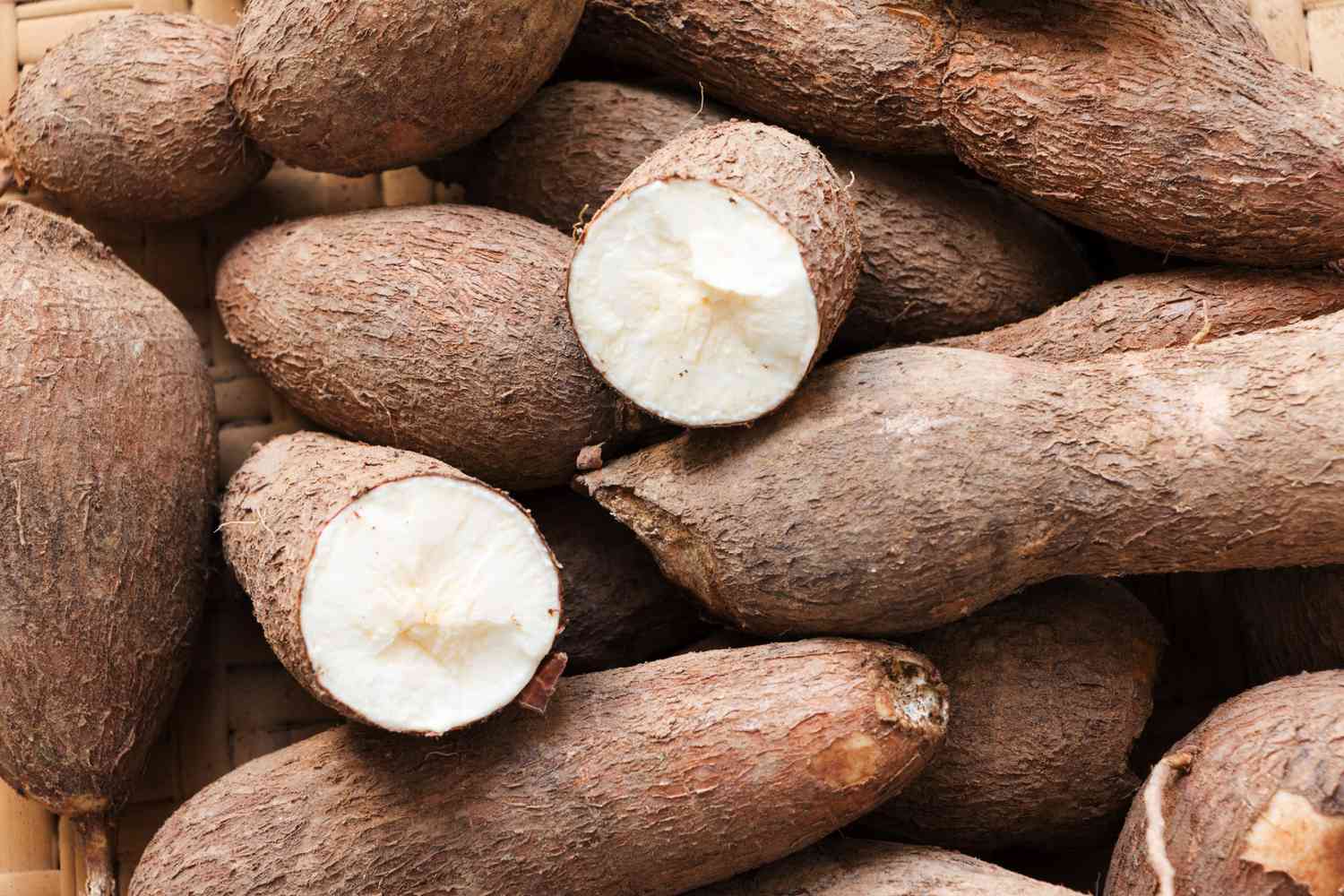
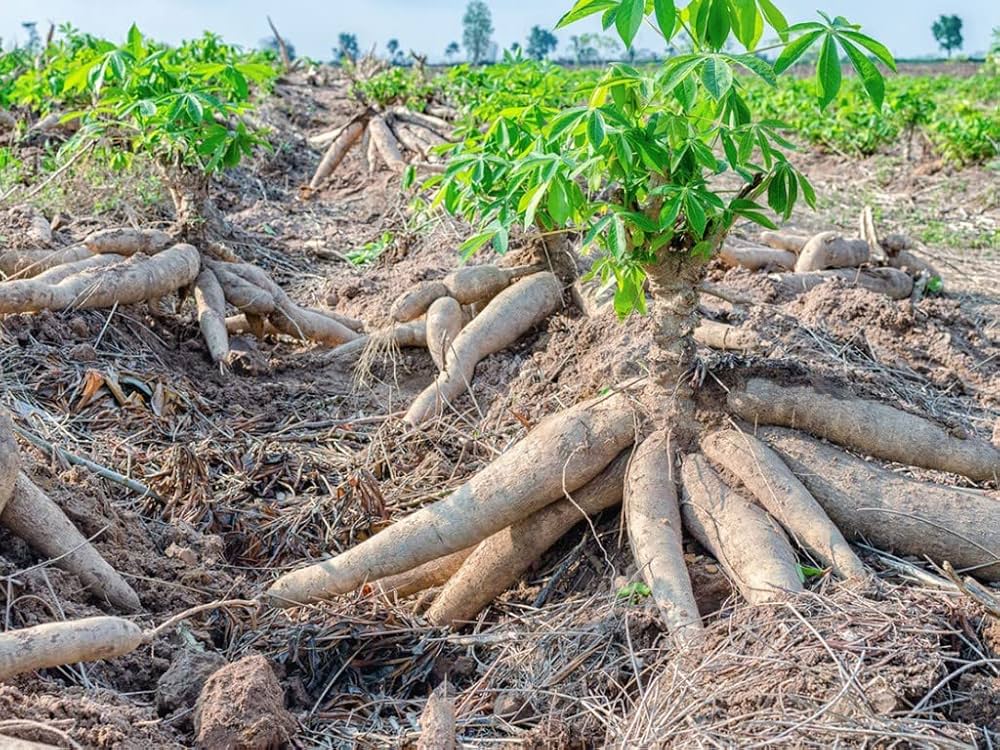
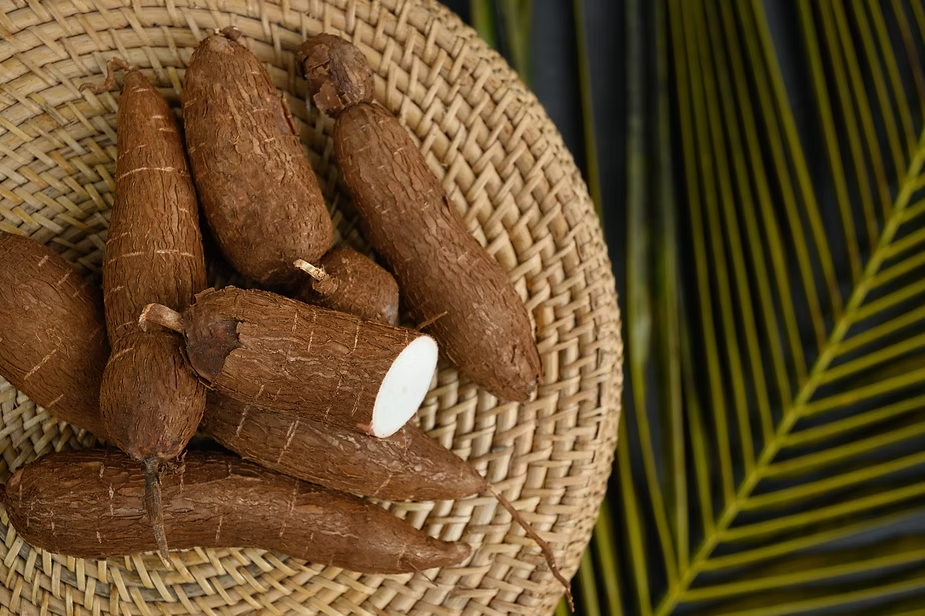
Common Name: cassava, (Manihot esculenta),
Classification: tuberous edible plant of the spurge family (Euphorbiaceae) from the American tropics.
Habitat: It is cultivated throughout the tropical world for its tuberous roots, from which cassava flour, breads, tapioca, a laundry starch, and an alcoholic beverage are derived. Cassava probably was first cultivated by the Maya in Yucatán.
Uses: Cassava is a good source of dietary fibre as well as vitamin C, thiamin, folic acid, manganese, and potassium. The tubers have a mild nutty taste and are commonly eaten as root vegetables in stews or as side dishes. Food items such as the gelatinous fufu of West Africa and the bammy of Jamaica come from cassava. Additional cassava products include an alcoholic beverage known as kasiri that is made by Indians in South America, the powdery casabe cakes of Yucatán, and tapioca, the only cassava product on northern markets. Cooked cassava leaves can also be eaten and are an important ingredient in soups and stews in parts of Central Africa.


Reviews
There are no reviews yet.